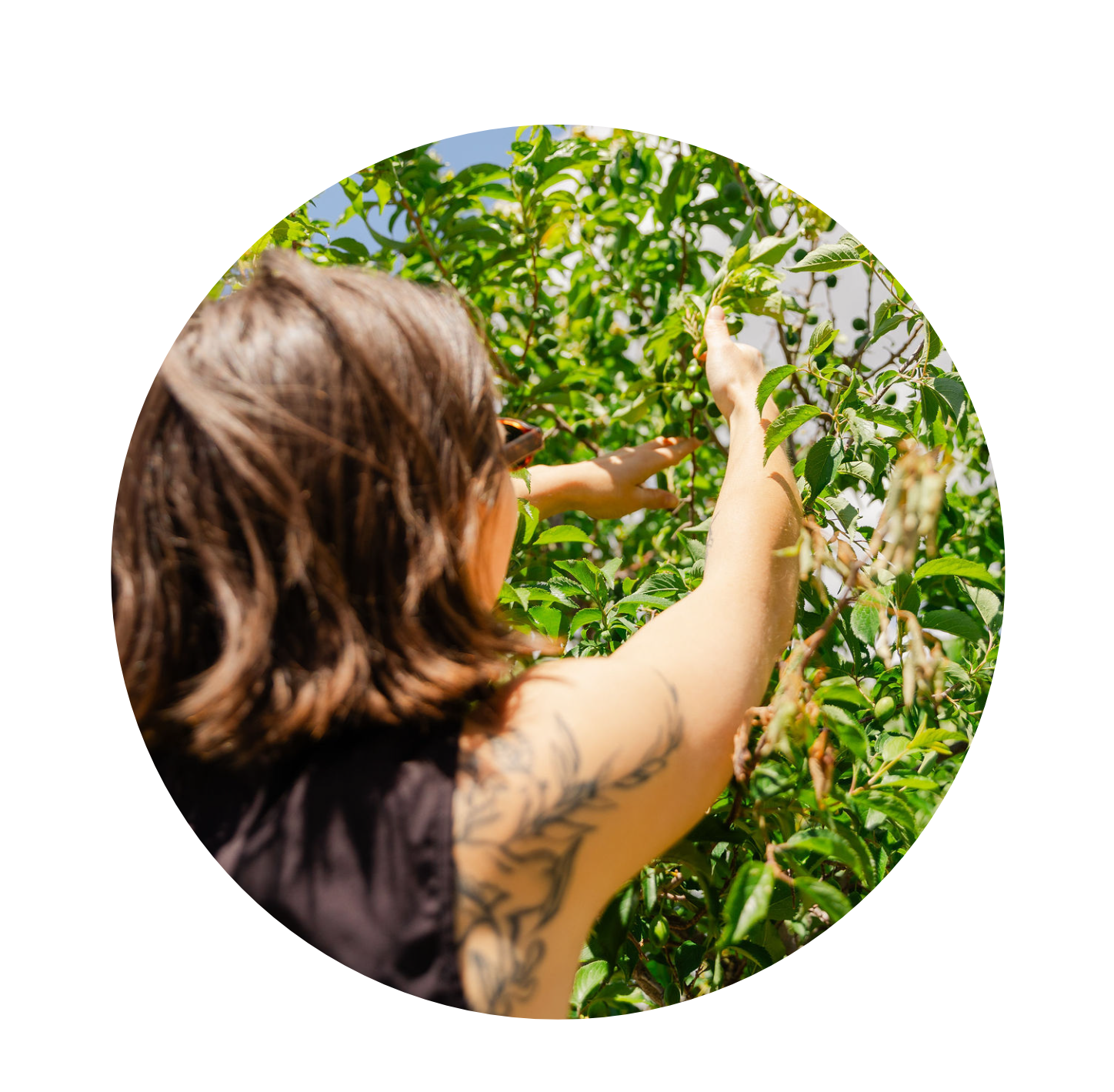
Creating a healthy, resilient, and secure local food system
for the Cranbrook community and surrounding areas.
Cranbrook Urban Farm, located at Pop Price Park, will:
-
Improve local food security by providing fresh, nutrient-dense, produce via four-season growing
-
Increase education and training opportunities to build agriculture skill sets and community knowledge
-
Reduce community carbon emissions by providing organic diversion options for residents and businesses and provide local compost amendments for farmers.
-
Demonstrate the importance and value of a circular economy, and exhibit climate adaptation and resiliency food production techniques
-
Create a social enterprise where those who can purchase fresh locally grown food support those who cannot
-
Bring people together to celebrate and share food by providing a venue for community celebrations
Learn more about our project phases below.

Hydroponics – Growth in Nutrient-rich water
Hydroponic growing is a method of controlled environmental agriculture that allows for each aspect of growing to be optimized. Instead of soil, plants grow in rockwool cubes that float in a nutrient-rich reservoir, which delivers water and nutrients directly to the plants’ roots. Full-spectrum LED lights maximize growth and flavour of our greens. Our vertical farm utilizes an active, deep water culture, closed-loop system.
A Sustainable, Year Round Solution for Fresh Produce
Research on vertical and hydroponic farming is expanding and continuously demonstrates the benefits of these systems. With climate change affecting the reliability of growing seasons in our region, agriculture that is grown indoors, in a controlled environment, is a crucial piece to making our communities more resilient and self-sufficient, all year round.
 Automation Automation |
 Less Resources Less Resources |
 No Pesticides No Pesticides |
| Automated systems allow us to track and control environmental conditions so that plants receive the optimal balance of light, air, nutrients and temperature! | Hydroponic systems use less water because it gets recirculated through the system, and less land because rows are stacked vertically. | Since there is so much control over the growing system, there is no need for pesticides. |
 Minimal Transport Minimal Transport |
 Fresher, Longer Fresher, Longer |
 Community Engagement Community Engagement |
| Growing in an urban setting lowers carbon emissions because food needs to travel less miles before reaching your table! Plus, we deliver in an electric vehicle. | Produce can be harvested and delivered in the very same day, which extends the shelf life by weeks! | Our farm will provide teaching opportunities and encourage collaboration with other local organizations. |

Growcer is a Canadian company that designs and builds modular hydroponic farms. We decided to choose this brand’s pre-fabricated unit based on their demonstrated success in providing quality produce in extreme climates, their extensive project and training support, and their ongoing commitment to research and development.
Choose from our Premium Greens or Lettuce Mix
Lettuce Mix ($5 and $7 bags available)
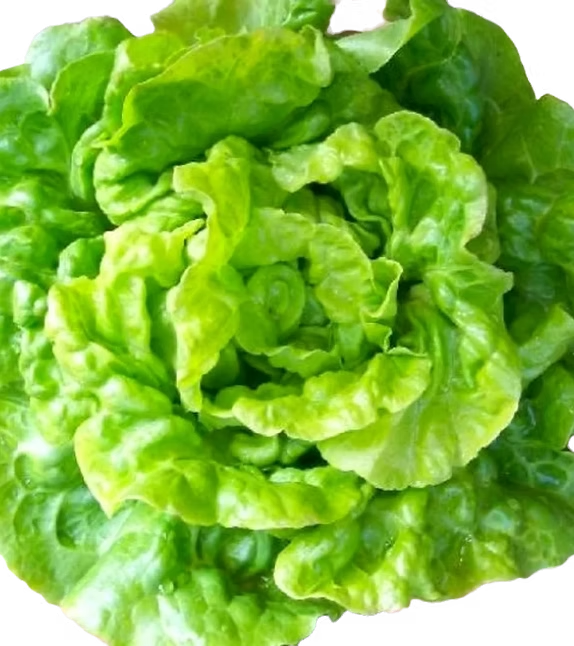
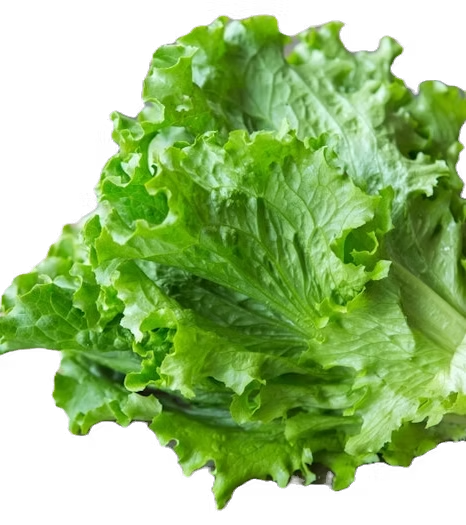
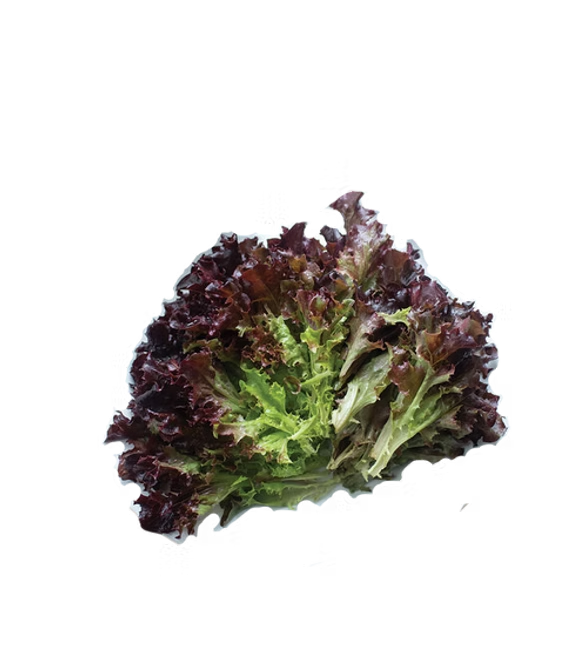
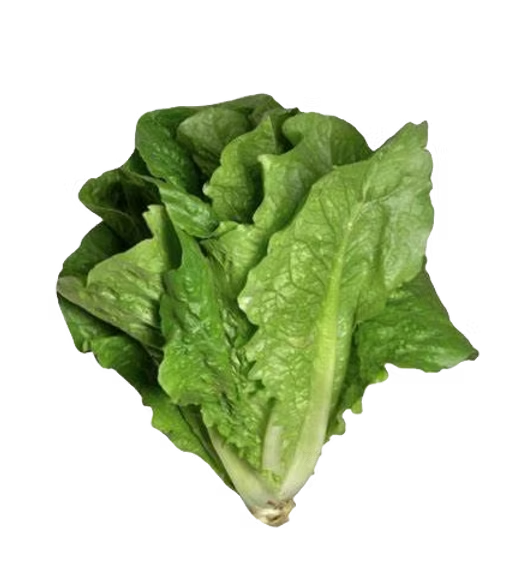
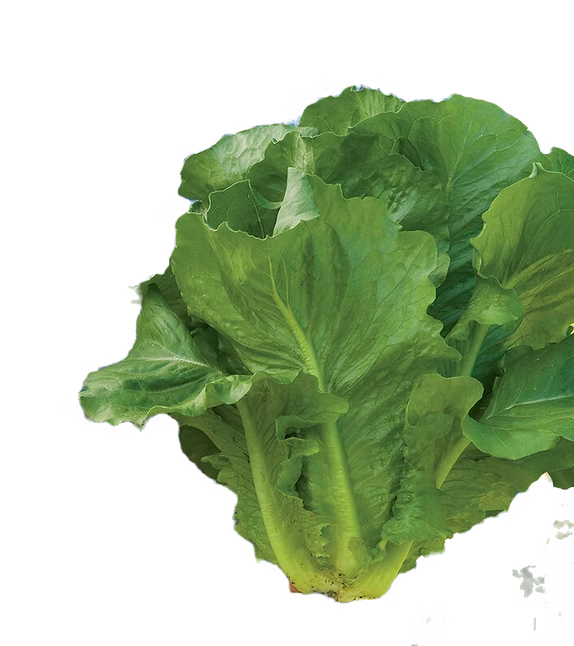
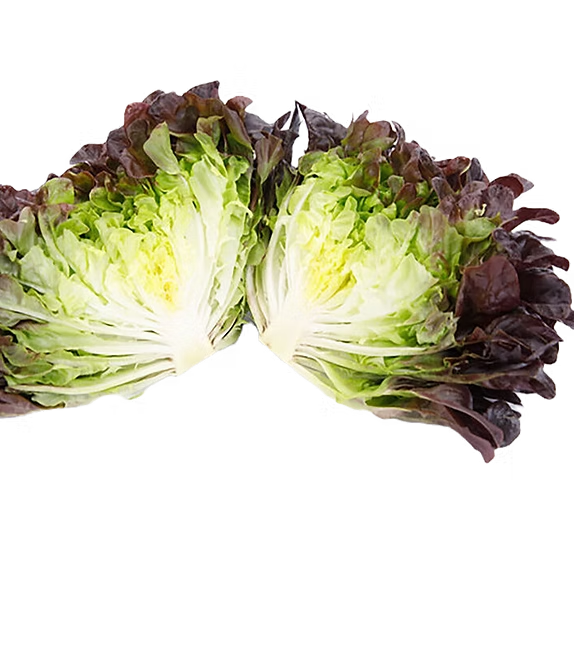
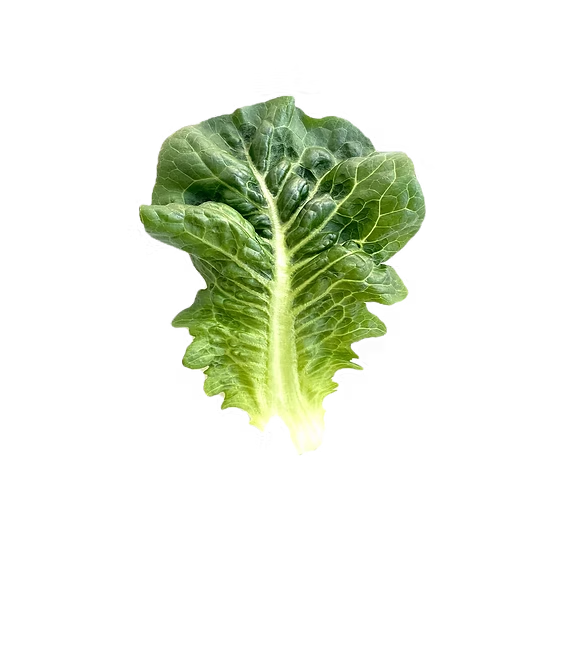
Our classic lettuce mix. Think fresh, crisp, sweet, bright, and appealing to all pallets. Head lettuces thrive in our farm and you can expect a combination of leaves from our best Butter Crunch, Romaine, Green Star, and Red lettuces in this go-to for salads and burgers alike.
Check out what we’re growing below:
 |
 |
 |
|
Butter Crunch Tender and buttery |
Green Star Frilly and Sweet |
Red Tango Beautiful and Tangy |
 |
 |
 |
|
Green Forest Romaine Crisp and Attractive |
Sparx Romaine Flavourful and crisp |
Red Oakleaf Mild and buttery |
 |
||
|
Monte Carlo Romaine Crunchy and Dark Green |
Premium Greens Mix ($5 and $7 bags available)
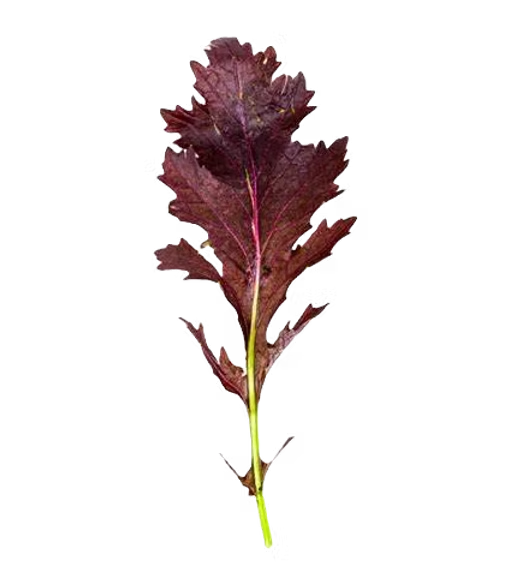
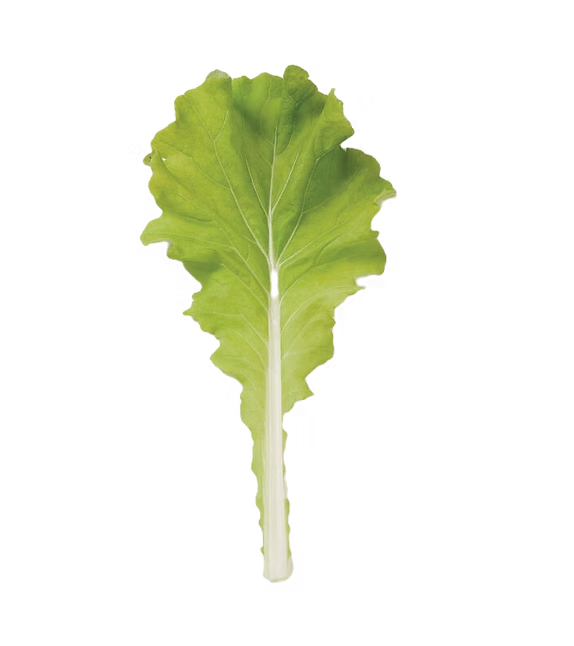
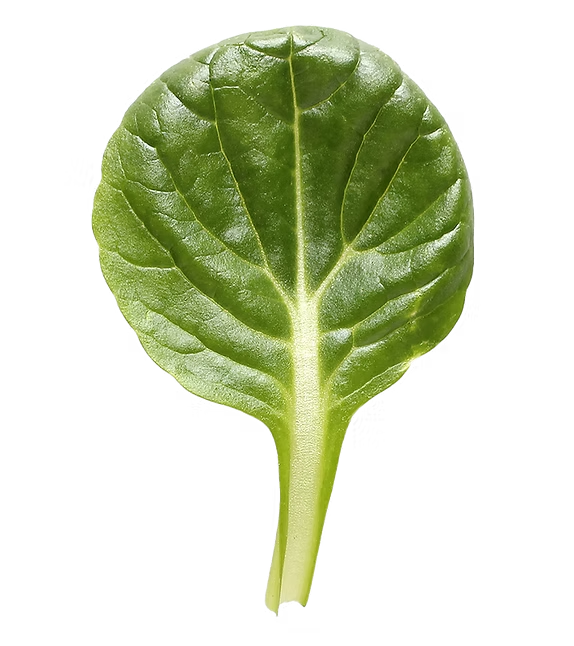
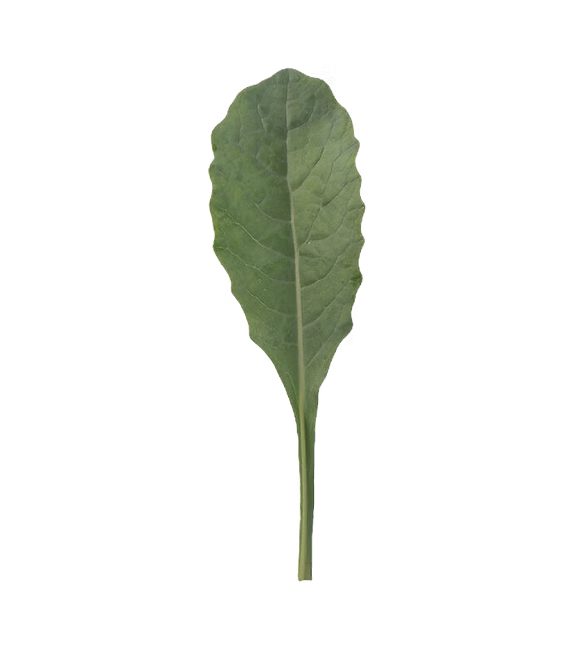
This mix has more of a kick to it, ranging from spicy to mild and slightly sweet. This will include a variety of red mustard, red mizuna, green mustard, Chinese cabbage, and Tatsoi. These flavours and colours blend beautifully together for salads or garnish.
This mix includes the following:
 |
 |
 |
|
Red Mizuna Mild and peppery |
Green Mustard Spicy and earthy |
Chinese Cabbage Fresh and sweet |
 |
 |
 |
|
Red Mustard Spicy and peppery |
Tatsoi Crunchy and juicy |
Toscano Baby Kale Rich and tender |
Greenhouse clean
In our farm, we follow strict sanitation protocols to keep the facility clean and our produce safe. Lettuce is grown in a lab setting, we do not use pesticides, and the first time our produce touches human hands (without gloves) is by the consumer!
Why an urban farm?
Food is a cornerstone to resilient communities. Currently our conventional food system is based on long supply chains, and cheap, readily available food. Climate pressures and growing geopolitical instability threaten the affordability and accessibility of food.
Developing a farm project in an urban area allows community members to gather and connect there with ease. It brings food production closer to where it will be consumed and engages the people that will be consuming it! We want to demonstrate how to grow nutrient dense food year round, even in the middle of winter. Localizing production also reduces the need for transportation and decreases reliance on larger-scale supply chains, thereby making our local food system more resilient.
What is hydroponic growing?
Hydroponic gardening is method of growing plants without soil. It’s a way to nurture a huge variety of edible plants (think herbs, veggies, even some fruits) indoors all year round, regardless of what Mother Nature is doing outside your door. In a climate like the Kootenay’s that stays too cold and then too hot for optimal growing for much of the year, this is a huge benefit!
How much is being produced? How do I access it?
We are harvesting around 600 heads of lettuce or equivalent leafy greens each week!
We sell to restaurants and food retailers who you can purchase from directly, or enjoy it in signature menu items.
We also donate 20% of our weekly harvest to various food aid organizations that we partner with including Cranbrook Food Bank, the Salvation Army, Bellies to Babies, Womens Resource Centre, Street Angels, Ankors, and schools.
Why composting?
Composting is nature’s way of recycling. It is one of the most powerful actions we can take to reduce our trash, address climate change, and build healthy soil. By turning our food scraps into compost, we can transform our waste streams into a beneficial, value-added soil amendment and use it to protect the environment and create resilient communities.
Will the compost smell? Attract pests?
A well-managed compost pile should produce very little smell. The unit we are looking at has many engineered features in place to decrease smells and wildlife interactions. These features include ventilation, an enclosed unit and regular blending.
Who is involved in this project?
So far to date the steering committee includes:
- Community Connections Society of Southeast BC, Sophie Larsen and Meredith Funston
- Kootenay Employment Services, Kerstin Renner, Regional Community Development Manager
- Wildsight, Sharon Cross, Brand Board Director; Ali Hadikin, Community Coordinator
- BC Ministry of Agriculture, Jeffrey Nimmo, Regional Agrologist
- College of the Rockies, Deborah Carty, Vice President, External Relations
- Interior health, Seamus Damström, Public Health Dietitian
Is this a business?
This project is a social enterprise with a steering committee comprised of many community non-profit organizations. The primary goal is to grow food for those in need. We d0nate produce to individuals experiencing food insecurity through food aid such as the Cranbrook Food Bank, the Salvation Army, Street Angels, Ankors, and schools. A portion of the produce grown will be sold to pay for farm operations.
This project is awesome! How do I donate?
This is a community project and it would not be possible, or amazing, without the generous support of our neighbors. Donate here and indicate that you are donating to the Cranbrook Urban Farm. Thank you!
Tour the Farm
Leading up to biannual cleaning, we welcome groups into the farm to learn about hydroponic growing. Get in touch to organize a group tour with up to four people at a time.
Project Phases
Phase One
Four-season, Hydroponic Growing
A controlled, year-round growing system that protects local food production from supply chain disruptions, extreme weather, and rising costs. Automated lighting, pH, and heating systems will produce approximately 5,500 lbs annually, or 656 heads of lettuce per week.
Electric, Refrigerated Van
An electric transit van will enable low-emission distribution of fresh produce throughout the community, supporting the farm’s commitment to reducing its carbon footprint.
Composting
An industrial, container-housed composter will convert food waste into valuable soil amendments while minimizing odors and animal attractants. The farm will pilot an organic waste pickup program with local restaurants to divert food from landfills and return nutrients to the soil.
Phase Two
Three-season Greenhouse
This greenhouse will expand local food production while centering culturally appropriate foods and environmentally responsible growing practices through a decolonized approach.
Outdoor Growing Beds
Perennial, in-ground beds will demonstrate the importance of soil-based growing and show that producing food at home is accessible and achievable.
Phase Three
Food Forest
Your content goes here. Edit or remove this text inline or in the module Content settings. You can also style every aspect of this content in the module Design settings and even apply custom CSS to this text in the module Advanced settings.
Outdoor Meal Venue
A gathering space within the growing areas for large community feasts, learning, and celebration, complete with food preparation equipment.
Contact Us
Farm Manager: 778.517.5447
Pop Price Park
109 Briar Ave NW
Cranbrook, BC
Where to Buy
The Bread Peddler
379 Archibald St, Kimberley, BC V1A 1M8
Allegra Restaurant
Greens used throughout the menu, not available for individual sale
1225 B Cranbrook St N, Cranbrook, BC V1C 3S6
Sprout Health Market Kimberley
196 Spokane St #16, Kimberley, BC V1A 2E4
Stoke Market
521 Wallinger Ave, Kimberley, BC V1A 1Z7
Community Connections Society of Southeast BC
209A 16 Ave N, Cranbrook, BC V1C 5S8
Numa Restaurant & Lounge
Greens used throughout menu, not available for individual resale
7777 Mission Road, Cranbrook, BC V1C 7E6
Ground Floor Coworking Space
131 7 Ave S #100, Cranbrook, BC V1C 2J3

A Collaborative Approach
Meet our steering committee:
-
Community Connections Society of Southeast BC, Sophie Larsen and Meredith Funston
-
Kootenay Employment Services, Riley Wilcox, Regional Community Development Manager
-
Wildsight, Sharon Cross, Branch Board Director; Ali Hadikin, Community Coordinator
-
BC Ministry of Agriculture and Food, Jeffrey Nimmo, Regional Agrologist
-
College of the Rockies, Robin Hicks, VP, Academic and Applied Research
-
Interior Health, Seamus Damström, Public Health Dietitian
Our Why
We have established that there is not only a global need for more secure food systems but also a local need.
- 22% of Canadians say they’ll access charitable services to meet essential needs in the next 6 months.
- The Cranbrook Food Bank has 2248 active clients this represents 11% of the population of Cranbrook (20,499 as of February 2022).
- Cities, farmers, and businesses have all identified a need for organics diversion from landfills and a need for compost as a soil amendment.
- Organic waste represents 40% of the material sent to BC landfills, equating to 4.4 billion tonnes of CO2 annually.
Appreciation for circular economy and agricultural education is needed. As food systems become more impacted by large weather events, and supply chain interruptions, the need for local innovative agricultural skills will increase.